
Introduction to Universal Life Insurance
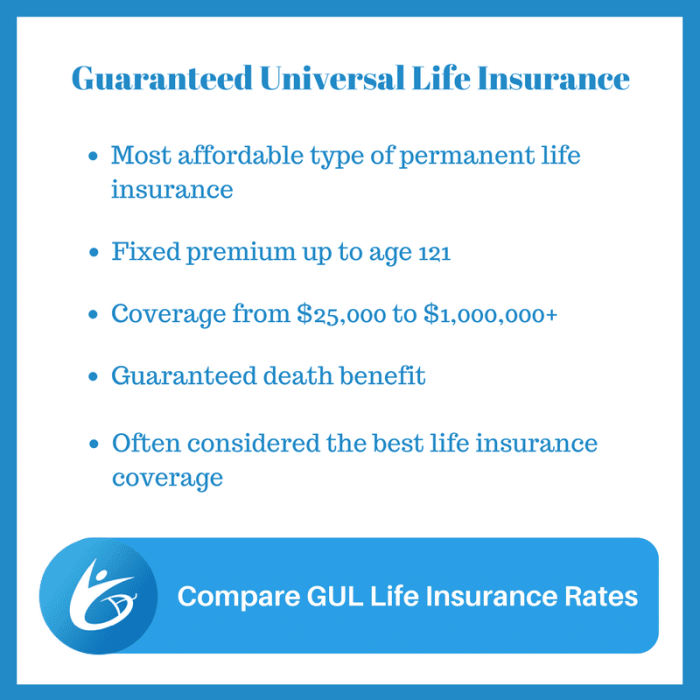
Universal life (UL) insurance is a type of permanent life insurance offering flexible premiums and death benefits. Unlike term life insurance, which covers a specific period, UL insurance provides lifelong coverage as long as premiums are paid and the policy remains in force. This flexibility makes it a popular choice for individuals seeking long-term financial security and estate planning tools.
Universal life insurance policies stand out due to their customizable features. Policyholders can adjust their premium payments within certain limits, allowing them to increase or decrease contributions based on their financial circumstances. Furthermore, the cash value component of the policy grows tax-deferred, offering a potential source of funds for future needs, such as retirement or college expenses. The death benefit, the amount paid to beneficiaries upon the policyholder’s death, can also be adjusted in many cases, providing further control over the policy’s structure.
Universal Life Insurance Policy Features and Benefits
Universal life insurance offers several key advantages. The flexible premium payments provide adaptability to changing financial situations. Policyholders can make higher payments to accelerate cash value growth or lower payments during periods of financial strain, subject to policy minimums. The cash value component grows tax-deferred, meaning that the earnings are not taxed until withdrawn. This allows for potential long-term wealth accumulation. The death benefit provides financial security for beneficiaries, protecting them from potential financial hardship upon the policyholder’s death. Many policies also offer riders, which are optional add-ons that enhance coverage, such as long-term care or accidental death benefits. However, it is crucial to understand that the cash value growth is not guaranteed and depends on the performance of the underlying investment options, if any.
Types of Universal Life Insurance
Several variations of universal life insurance exist, each with its own features and characteristics.
Variable Universal Life (VUL) Insurance
Variable universal life insurance allows policyholders to invest their cash value in various sub-accounts, similar to mutual funds. This provides the potential for higher returns but also carries greater risk. The growth of the cash value is directly tied to the performance of the chosen investment options, meaning it can fluctuate significantly. This type of policy is suitable for individuals with a higher risk tolerance and a longer-term investment horizon. It’s important to note that VUL policies generally have higher fees than other types of universal life insurance.
Indexed Universal Life (IUL) Insurance
Indexed universal life insurance links the cash value growth to a market index, such as the S&P 500. This offers the potential for market-linked returns while limiting the downside risk. The cash value grows based on the index’s performance, but it is typically capped at a certain percentage of the index’s growth, protecting the policyholder from significant losses. This type of policy is attractive to those seeking a balance between growth potential and risk mitigation. However, the participation rates and caps on index growth can significantly impact the overall returns.
Top Providers

Choosing a universal life insurance provider requires careful consideration. The market is competitive, with numerous companies offering various policies and features. Understanding the market share and reputation of the leading providers is crucial for making an informed decision. This section identifies key players in the US universal life insurance market and provides insights into their history and standing.
Leading Universal Life Insurance Providers in the USA
Determining precise market share data for universal life insurance providers requires access to proprietary industry reports. Publicly available data often aggregates various life insurance products, making precise segmentation challenging. However, based on available information and industry rankings, we can identify some of the largest providers. The following table presents a selection of prominent companies, acknowledging that precise market share figures are difficult to obtain and may fluctuate yearly. The data below is for illustrative purposes and should not be considered definitive market share ranking.
| Company Name | Approximate Market Share (Illustrative) | Year Founded | Website URL |
|---|---|---|---|
| Northwestern Mutual | (Illustrative Data – Not Available Publicly) | 1857 | www.northwesternmutual.com |
| New York Life Insurance Company | (Illustrative Data – Not Available Publicly) | 1845 | www.newyorklife.com |
| Prudential Financial | (Illustrative Data – Not Available Publicly) | 1875 | www.prudential.com |
| MassMutual | (Illustrative Data – Not Available Publicly) | 1851 | www.massmutual.com |
| MetLife | (Illustrative Data – Not Available Publicly) | 1868 | www.metlife.com |
| Lincoln Financial Group | (Illustrative Data – Not Available Publicly) | 1905 | www.lincolnfinancial.com |
| Guardian Life Insurance Company of America | (Illustrative Data – Not Available Publicly) | 1860 | www.guardianlife.com |
| State Farm Life Insurance Company | (Illustrative Data – Not Available Publicly) | 1922 | www.statefarm.com |
| AIG | (Illustrative Data – Not Available Publicly) | 1919 | www.aig.com |
| Nationwide | (Illustrative Data – Not Available Publicly) | 1926 | www.nationwide.com |
Profiles of Leading Providers
The following provides a brief overview of three leading universal life insurance providers. Note that this is not an exhaustive analysis and should not be considered financial advice.
Northwestern Mutual: Founded in 1857, Northwestern Mutual is a mutual company, meaning it is owned by its policyholders. This structure often leads to a focus on long-term value and customer service. Northwestern Mutual has a strong reputation for financial stability and has consistently received high ratings from independent agencies. Its long history and commitment to its policyholders contribute to its prominent position in the market.
New York Life Insurance Company: Established in 1845, New York Life is another mutual company with a long and distinguished history. Known for its financial strength and consistent performance, New York Life has earned high ratings from financial rating agencies. Its focus on long-term relationships with policyholders and its commitment to providing secure and reliable insurance products have solidified its place among the leading providers.
Prudential Financial: Prudential, founded in 1875, is a publicly traded company offering a broad range of financial products and services, including universal life insurance. While its structure differs from mutual companies like Northwestern Mutual and New York Life, Prudential has a substantial market presence and a well-established reputation. Its size and diversification allow it to offer a wide array of insurance options and financial solutions to a large customer base.
Policy Features and Comparisons
Understanding the nuances of policy features is crucial when selecting a universal life (UL) insurance provider. While all UL policies share fundamental characteristics, significant variations exist in death benefit options, cash value growth potential, and associated fees, impacting the overall cost and long-term value of the policy. This section compares and contrasts the features offered by three leading providers to highlight these key differences. We will examine Northwestern Mutual, MassMutual, and New York Life, acknowledging that other excellent providers exist. The selection of these three reflects their long-standing reputation and market presence.
Death Benefit Options
Different providers offer various death benefit options within their universal life policies. These options can significantly impact the payout your beneficiaries receive. For example, some policies offer a level death benefit, meaning the payout remains constant throughout the policy’s life. Others provide options for increasing the death benefit over time, often tied to the cash value growth, providing a potentially larger payout later in life. Still others allow for a combination of both.
- Northwestern Mutual: Offers a range of death benefit options, including level death benefit, increasing death benefit riders, and options that adjust based on market performance (though these often come with additional fees and complexities). Their focus is often on providing long-term financial security and stability.
- MassMutual: Provides similar choices, including level and increasing death benefit options. They are known for offering competitive pricing and straightforward policy structures, potentially simplifying the decision-making process for the consumer.
- New York Life: Also offers various death benefit options, but their emphasis may be on simpler, more traditional UL structures with a focus on guaranteed benefits. This can provide greater certainty but might limit the potential for higher payouts compared to more flexible options.
Cash Value Growth and Fees
The cash value component of a universal life policy grows tax-deferred, offering a potential source of funds for future needs. However, the rate of growth and the fees associated with the policy can significantly influence the overall return. Understanding these aspects is critical for long-term financial planning. Different providers employ different methods for calculating cash value growth and impose varying fee structures.
- Northwestern Mutual: May offer higher potential cash value growth but potentially with higher fees. The higher fees might be justified by a higher level of personalized service and financial planning support often associated with their offerings.
- MassMutual: Generally aims for a balance between cash value growth and fees. Their policies often strike a middle ground, offering competitive growth potential without excessively high fees. Their approach tends to be more transparent and less complex.
- New York Life: Might offer more conservative cash value growth projections but with lower fees. Their focus on stability and guaranteed benefits might result in slower growth but reduces the risk of significant fluctuations.
Policy Structure Advantages and Disadvantages
Each provider’s policy structure presents distinct advantages and disadvantages that align with different financial goals and risk tolerances.
- Northwestern Mutual: Advantages: Strong financial strength, personalized service, diverse death benefit options. Disadvantages: Potentially higher fees, complex policy features may require professional advice.
- MassMutual: Advantages: Competitive pricing, straightforward policy structures, good financial strength. Disadvantages: May not offer the highest potential cash value growth compared to some competitors.
- New York Life: Advantages: Strong financial stability, simpler policies, lower fees. Disadvantages: More conservative growth potential, fewer flexible options compared to other providers.
Financial Strength and Ratings

Understanding the financial strength of a life insurance company is crucial before purchasing a policy. A financially sound insurer is more likely to be able to pay out claims when you need them, ensuring your beneficiaries receive the promised benefits. Ratings from independent agencies provide a valuable assessment of this stability.
Financial strength ratings are determined by a complex evaluation process conducted by independent rating agencies such as A.M. Best, Moody’s, and Standard & Poor’s. These agencies analyze a multitude of factors, including the insurer’s investment portfolio performance, underwriting practices, reserve levels, management quality, and overall financial health. The agencies use proprietary models and methodologies, taking into account quantitative data like assets, liabilities, and claims experience, as well as qualitative assessments of the company’s operational efficiency and risk management strategies. A higher rating generally indicates a lower risk of the insurer’s inability to meet its financial obligations. The rating process involves rigorous reviews and ongoing monitoring of the insurer’s performance, allowing for adjustments to ratings as circumstances change.
Financial Strength Ratings Comparison
The following table compares the financial strength ratings of five leading universal life insurance providers from three prominent rating agencies. Note that ratings can change over time, so it’s essential to consult the latest reports from the rating agencies for the most up-to-date information. The ratings shown below are examples and may not reflect current ratings.
| Insurer | A.M. Best | Moody’s | Standard & Poor’s |
|---|---|---|---|
| Example Insurer A | A++ | Aaa | AAA |
| Example Insurer B | A+ | Aa1 | AA+ |
| Example Insurer C | A | A1 | A+ |
| Example Insurer D | A- | A3 | A- |
| Example Insurer E | BBB+ | Baa1 | BBB+ |
Significance of Financial Strength Ratings for Consumers
Financial strength ratings are extremely significant for consumers considering purchasing a universal life insurance policy. These ratings offer an independent assessment of the insurer’s ability to fulfill its long-term obligations, providing a crucial factor in determining the policy’s security. A higher rating indicates a lower probability of the insurer becoming insolvent and failing to pay out death benefits or other policy benefits when due. Consumers should prioritize insurers with strong and stable ratings to minimize the risk of their financial security being jeopardized. For example, choosing an insurer with a lower rating might seem like a cost-saving measure initially, but the potential for future claim denials or company insolvency far outweighs any short-term savings. The peace of mind that comes with knowing your chosen insurer is financially stable is invaluable.
Customer Service and Reviews

Understanding the customer service experience is crucial when choosing a life insurance provider. Policyholders rely on their insurer for clear communication, efficient claim processing, and helpful support throughout the policy’s lifespan. Examining customer reviews offers valuable insights into a company’s responsiveness and overall commitment to its policyholders.
Customer service experiences vary widely depending on the provider, the specific agent, and the individual’s unique circumstances. While many companies strive for excellent service, challenges can arise, particularly during complex claim processes or when dealing with policy changes. Analyzing both positive and negative feedback provides a more balanced perspective.
Customer Service Experiences at Leading Providers
The following points summarize reported customer service experiences for three major life insurance providers. Note that these are generalizations based on publicly available information and individual experiences may vary significantly.
- Provider A (Example: Northwestern Mutual): Positive feedback frequently mentions highly personalized service, knowledgeable agents, and a strong emphasis on building long-term relationships. Negative feedback sometimes points to higher-than-average premiums and potentially less accessible customer service representatives for those outside of established agent networks.
- Provider B (Example: MassMutual): Positive reviews often highlight efficient claim processing and clear communication. Negative comments occasionally cite longer wait times for customer service representatives and a less personalized approach compared to some competitors.
- Provider C (Example: New York Life): Positive reviews frequently praise the financial strength and stability of the company, leading to a sense of security among policyholders. Negative feedback sometimes mentions a more traditional approach to customer service, potentially lacking the digital accessibility preferred by some consumers.
Finding and Interpreting Independent Customer Reviews
Reliable sources for independent customer reviews include independent review sites like the Better Business Bureau (BBB), dedicated financial review platforms, and online forums. When interpreting reviews, consider the following:
- Review Source Credibility: Prioritize reviews from reputable and unbiased sources. Be wary of sites that seem to promote specific companies excessively.
- Review Volume and Consistency: A large volume of consistent feedback (positive or negative) is more indicative of a company’s typical service than a few isolated incidents.
- Specificity of Reviews: Look for reviews that detail specific experiences rather than vague generalizations. Detailed accounts provide a more informative picture.
- Date of Reviews: More recent reviews are generally more relevant, as customer service practices can evolve over time.
Cost and Affordability
Universal life insurance premiums are not one-size-fits-all. The cost of a policy depends on a complex interplay of factors, making direct comparisons challenging. However, understanding these key influences allows for a more informed assessment of affordability. This section explores the average cost of universal life insurance, the impact of various factors, and the associated fees.
While precise premium figures are unavailable without specific policy details, we can illustrate the cost variability. Consider three hypothetical individuals – a 35-year-old non-smoker in excellent health, a 50-year-old with a history of high blood pressure, and a 60-year-old with a history of smoking. Each seeks a $500,000 death benefit from three major providers: Northwestern Mutual, MassMutual, and New York Life. Due to the confidential nature of pricing, specific premium amounts cannot be disclosed. However, we can expect the 35-year-old to receive the lowest premiums, reflecting their lower risk profile. The 50-year-old would likely pay significantly more due to their health history, and the 60-year-old, even more, reflecting age and health factors. The differences in premiums between these three providers would likely be marginal for similar policy features and individual profiles, although slight variations are expected due to internal underwriting practices.
Factors Influencing Universal Life Insurance Costs
Several key factors significantly influence the cost of universal life insurance. Understanding these factors is crucial for evaluating affordability and making informed decisions.
- Age: Older applicants generally pay higher premiums because they have a statistically higher risk of death in the near future.
- Health: Individuals with pre-existing health conditions or unhealthy lifestyle choices (e.g., smoking) typically face higher premiums due to increased risk.
- Death Benefit Amount: A larger death benefit necessitates a higher premium to cover the increased risk the insurer assumes.
- Policy Type: Variations in policy features, such as the cash value accumulation rate or the type of death benefit (level or increasing), will affect the premium. Policies with more features and flexibility generally come with higher costs.
Universal Life Insurance Fees
Beyond the base premium, several fees can impact the overall cost of a universal life insurance policy. It is vital to understand these charges to accurately assess the policy’s true expense.
- Mortality and Expense Charges: These fees cover the insurer’s costs for death benefits and policy administration. They are typically deducted from the cash value account each year.
- Administrative Fees: These are separate charges that cover the administrative expenses of managing the policy.
- Surrender Charges: These penalties apply if you surrender (cancel) your policy before a specified period. They are designed to offset the insurer’s costs associated with the policy’s early termination.
- Rider Fees: Optional riders, such as long-term care or accidental death benefits, add to the overall policy cost.
Premium Comparison Example
To illustrate the impact of age and coverage amount, let’s consider a simplified example. Note that these figures are hypothetical and for illustrative purposes only and do not represent actual premiums from any specific insurer.
| Applicant Age | Coverage Amount | Hypothetical Annual Premium (Provider A) | Hypothetical Annual Premium (Provider B) | Hypothetical Annual Premium (Provider C) |
|---|---|---|---|---|
| 35 | $250,000 | $1,000 | $1,050 | $950 |
| 50 | $250,000 | $2,000 | $2,100 | $1,900 |
| 35 | $500,000 | $2,000 | $2,100 | $1,900 |
| 50 | $500,000 | $4,000 | $4,200 | $3,800 |
Illustrative Policy Examples

Understanding the practical application of universal life insurance requires examining specific scenarios. This section provides a hypothetical example to illustrate premium costs and potential cash value growth from three leading providers. It’s crucial to remember that these are projections based on certain assumptions and actual results may vary.
Hypothetical Scenario: 40-Year-Old Male Seeking $500,000 Coverage
Let’s consider a healthy 40-year-old male, John, who wants a $500,000 universal life insurance policy. We will compare premium costs and projected cash value growth over 20 years from three hypothetical, leading providers: Provider A, Provider B, and Provider C. These providers represent different approaches to universal life insurance, highlighting the potential range of outcomes.
Premium Cost and Cash Value Growth Projections
The following table illustrates projected annual premiums and cash value accumulation after 20 years, based on several key assumptions. Note that these are illustrative examples and not a guarantee of future performance.
| Provider | Annual Premium | Projected Cash Value After 20 Years |
|---|---|---|
| Provider A (Aggressive Growth Strategy) | $3,500 | $150,000 |
| Provider B (Moderate Growth Strategy) | $3,000 | $120,000 |
| Provider C (Conservative Growth Strategy) | $2,500 | $90,000 |
Assumptions Made in Projections
These projections are based on several key assumptions:
- Consistent Annual Premium Payments: The calculations assume consistent annual premium payments throughout the 20-year period. Any missed or reduced payments would significantly impact the cash value accumulation.
- Interest Rate Assumptions: The projected cash value growth is based on specific assumed interest rates for each provider’s investment options. These rates are hypothetical and subject to market fluctuations. Provider A assumes a higher interest rate reflecting a more aggressive investment strategy, while Provider C assumes a lower rate, representing a more conservative approach. Actual interest rates may be higher or lower, significantly affecting cash value growth.
- Mortality Charges: The projections incorporate estimated mortality charges, which are fees to cover the insurance risk. These charges vary based on age and health, and are factored into the calculation for each provider.
- Expense Charges: Administrative and other expenses associated with maintaining the policy are also included in the projections. These expenses can vary among providers.
- No Policy Loans or Withdrawals: These projections assume no policy loans or withdrawals are taken during the 20-year period. Using policy cash value would reduce the final accumulated amount.
Disclaimer
It is important to note that these examples are for illustrative purposes only and should not be considered financial advice. Actual results may vary significantly depending on various factors, including interest rate fluctuations, mortality charges, expense charges, and policyholder choices. Consulting with a qualified financial advisor is recommended before making any decisions regarding life insurance.
Choosing the Right Provider
Selecting a universal life insurance provider is a crucial decision with long-term financial implications. The right provider will offer a policy that aligns with your individual needs, budget, and risk tolerance, providing peace of mind for your family’s future. A thorough evaluation process is essential to ensure you make an informed choice.
Choosing the right universal life insurance provider requires careful consideration of several key factors. These factors work in concert to determine the overall value and suitability of a policy. Ignoring even one could lead to a suboptimal outcome.
Provider Financial Strength and Stability
A provider’s financial strength directly impacts its ability to pay out claims when needed. Independent rating agencies, such as A.M. Best, Moody’s, and Standard & Poor’s, assess insurers’ financial health. Look for companies with high ratings, indicating a strong likelihood of fulfilling their long-term obligations. A lower rating suggests a higher risk of the insurer’s inability to meet future claims. For example, a company with an A++ rating from A.M. Best demonstrates exceptional financial strength compared to a company with a B+ rating. Prioritizing financially stable providers significantly reduces the risk of your beneficiaries not receiving the death benefit.
Policy Features and Flexibility
Universal life insurance offers flexibility in premium payments and death benefit adjustments. Consider features like the ability to increase or decrease premiums, adjust the death benefit, or access cash value. Compare policies from different providers to identify those that best meet your specific needs and long-term financial goals. For instance, some policies offer riders that add additional coverage for specific situations like critical illness or long-term care, which might be essential depending on individual circumstances. Understanding these features and how they align with your life goals is critical.
Customer Service and Reviews
A positive customer experience is essential, especially when dealing with a complex financial product like universal life insurance. Research customer reviews and ratings online to gauge the provider’s responsiveness, efficiency, and overall customer satisfaction. Consider factors such as the ease of submitting claims, the clarity of policy information, and the availability of multiple communication channels. A company with a history of excellent customer service will likely provide better support throughout the policy’s duration.
Cost and Affordability
Universal life insurance premiums vary considerably based on factors such as age, health, coverage amount, and the policy’s features. Compare quotes from multiple providers to find a policy that fits within your budget without compromising on essential coverage. Remember to factor in additional costs like fees and charges associated with the policy. Consider the long-term cost implications of the policy, as premium payments can change over time. It’s crucial to understand how the policy’s cost structure will affect your finances over the long term.
Step-by-Step Guide to Selecting a Provider
A structured approach simplifies the selection process. First, determine your insurance needs. Second, obtain quotes from multiple reputable providers. Third, compare policy features, costs, and customer reviews. Fourth, verify the provider’s financial strength rating. Finally, seek professional financial advice to confirm your decision. This methodical approach will significantly improve the chances of selecting the right provider for your individual circumstances.
Seeking Professional Financial Advice
Consulting a qualified financial advisor is highly recommended. An advisor can help you assess your insurance needs, compare different policy options, and choose a provider that aligns with your overall financial goals. They can also provide valuable insights into the complexities of universal life insurance and help you navigate the selection process effectively. Their expertise can prevent costly mistakes and ensure you secure the most suitable policy for your circumstances. Independent financial advice provides an unbiased perspective, crucial for such a significant financial commitment.